



Commercial auto insurance cost
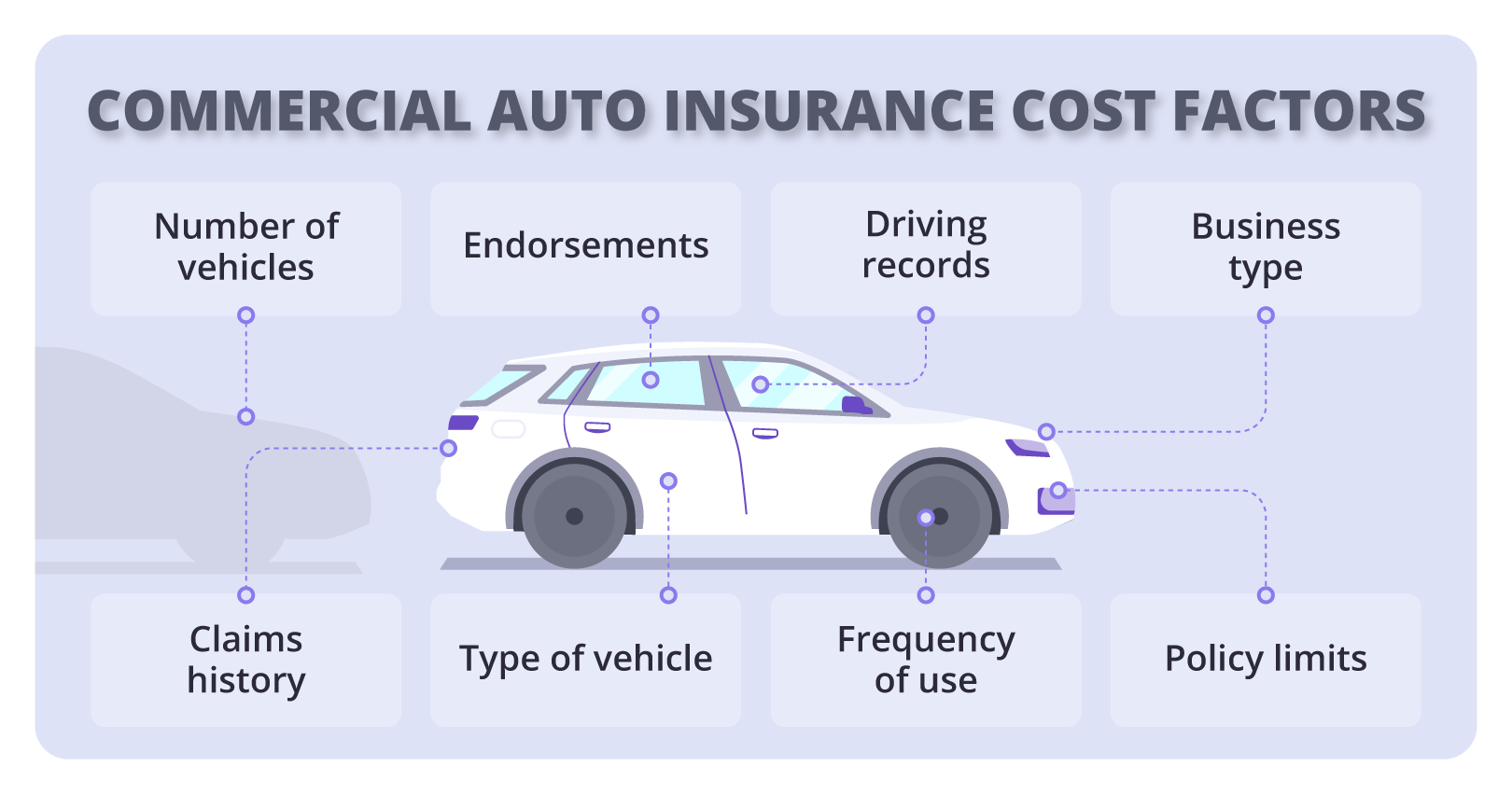
The cost of commercial auto insurance coverage varies widely based on a number of factors. Your premium is directly impacted by the number of vehicles your business owns, their value, their business use, and the driving records of anyone who drives them.
What is the average cost of commercial auto insurance?
Small businesses pay an average of $245 per month for commercial auto insurance, also known as commercial car insurance. Annual premiums range from under $375 to over $16,000 per year.
Our figures are calculated using the median cost of policies sold by leading insurance carriers to Insureon's small business customers. The median offers a better estimate of what your business is likely to pay because it excludes outlier high and low premiums.
The cost of auto insurance varies tremendously depending on factors like your business location, type of business, and the number and value of your vehicles. For example, commercial trucks, cargo trailers, and utility trailers usually cost more to insure than vans and sedans.
Typical commercial auto insurance costs for Insureon customers
The average cost of commercial auto insurance is $245 per month for Insureon's small business customers.
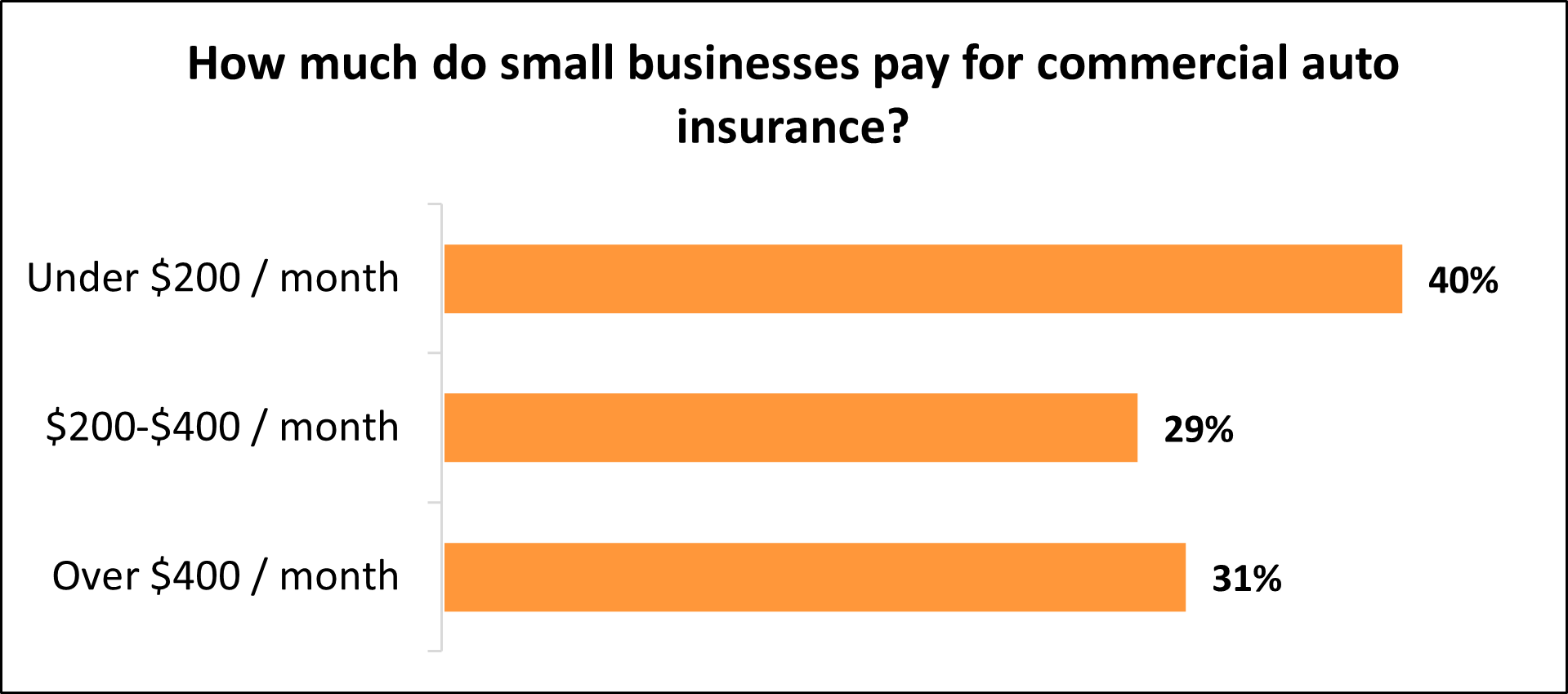
Annual premiums range from under $375 to over $16,000 per year. Among our customers, 40% pay less than $200 per month for commercial auto insurance, and another 29% pay between $200 and $400 per month.
The cost varies for small businesses depending on how many commercial vehicles they own and the type of insurance coverage they choose.

Top professions that need commercial auto insurance








Factors that impact commercial auto insurance rates
Policy limits and deductible
If you want car insurance that pays for more expensive claims, you need to choose higher per-occurrence limits and aggregate limits on your policy. Higher coverage limits cost more than basic coverage.
When choosing your policy limits and deductible, make sure you're meeting your state's requirements for auto insurance. Each state has its own requirements for the type and amount of coverage you need.
You’ll likely need a certain amount of property damage liability and bodily injury liability coverage. These cover the damage your vehicles may cause to other vehicles, property, and individuals.
Let's say a commercial auto policy has $1 million / $2 million liability limits. That means it has:
- $1 million per-occurrence limit. The insurer will pay up to $1 million to cover any single accident that happens while the policy is active.
- $2 million aggregate limit. During the policy period (usually one year), the insurer will pay up to $2 million to cover insurance claims.
When buying a policy, you can choose a higher deductible to save money on your premium. However, make sure the deductible is an amount you can easily afford. If you can't pay the deductible, your insurance won’t activate to cover your claim.
The right amount of coverage depends on your business needs. You want limits that'll cover a potential auto accident, without buying more than you need. Chat with a licensed insurance agent if you're unsure which limits are right for your business.
Driving history
If you or your employees have a history of collisions or accidents, your rates may increase. The demographics of your employees may also play a role, such as age and marital status.
Encouraging safe driving among your staff could help keep your premiums low. It's also important to check the driving records of any prospective employees.
Industry risks
Your industry determines the types of vehicles you own and how they are used, which in turn affects your premium.
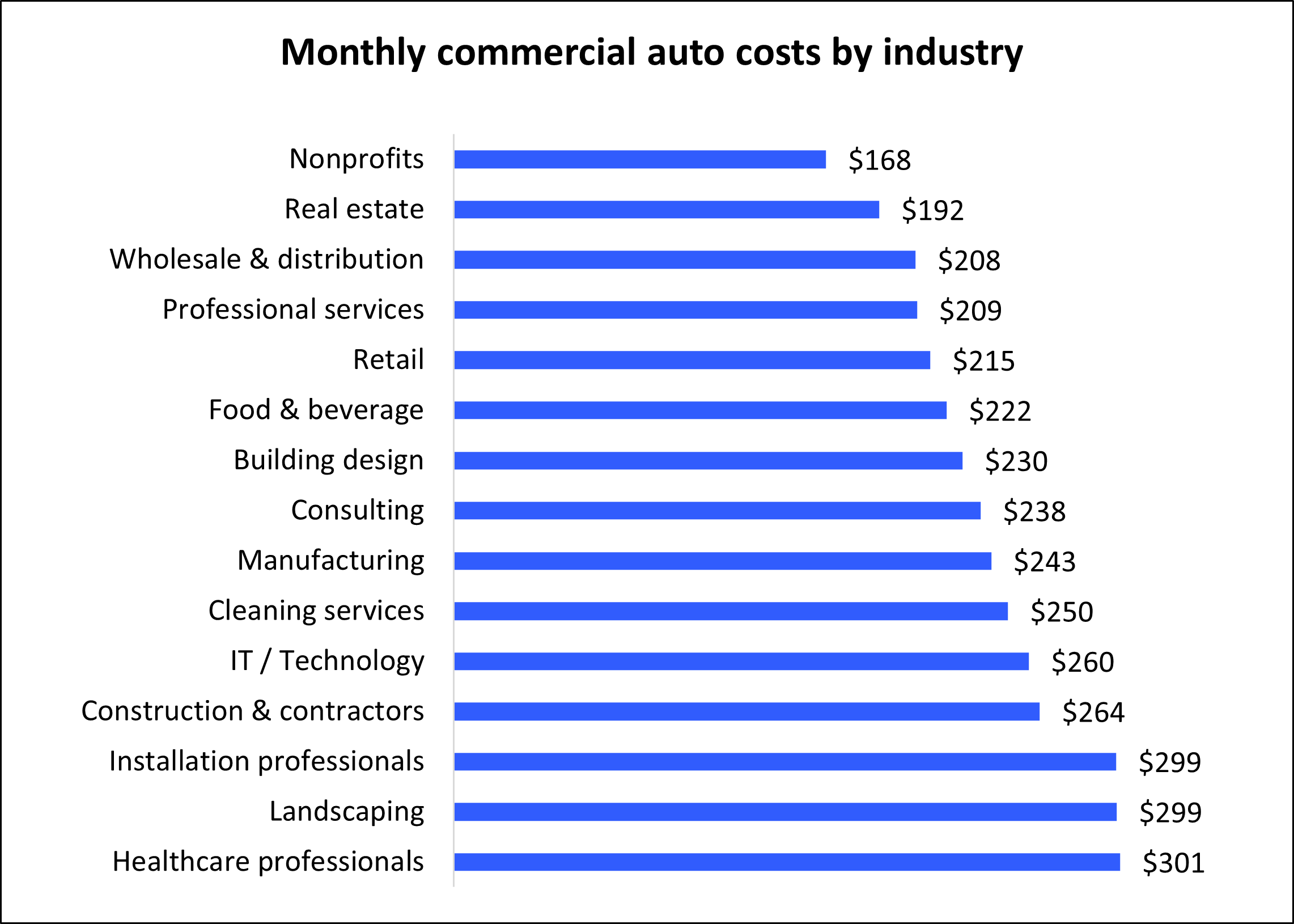
For example, house cleaners or lawn care professionals who are always on the road to job sites will likely have higher rates. So might construction vehicles, like dump trucks, that frequent dangerous jobsites.
On the other hand, low-risk businesses such as nonprofit organizations and real estate agents can expect to pay lower rates for their vehicles.
As the chart below illustrates, nonprofits pay an average of $168 per month for a commercial auto insurance policy, while real estate businesses pay an average of $192 monthly. Higher risk businesses like construction and installation contractors pay an average of $264 and $299 per month, respectively.
Keep in mind that the number of vehicles you own and their value also affect your insurance rate.
Top industries we insure





Claims history
Previous claims can indicate a higher risk to insurance companies and increase the cost of your commercial auto policy.
A small business that has never filed a claim on its commercial vehicle insurance policy can expect lower rates than a business with a history of claims.
Location
Your location may have an impact on your commercial auto insurance rates.
Business vehicles in areas with heavy traffic, high crime rates, or frequent hurricanes will cost more to insure.
The cost of living is another factor. Commercial auto insurance covers medical bills and repair costs, so it's more expensive in areas where these costs are higher.
Heavily populated areas also tend to have a greater number of uninsured drivers, which can increase risk and subsequently raise insurance premiums.
Here are some examples of the average cost of commercial car insurance across different states:
| State | Auto insurance cost |
|---|---|
$154 per month | |
$337 per month | |
$412 per month | |
$305 per month | |
$187 per month | |
$347 per month | |
$275 per month | |
$226 per month | |
$326 per month | |
$239 per month |
Find commercial auto insurance requirements in your state
Number of vehicles and vehicle types
The number of vehicles your business owns is a major factor that determines your insurance costs. Simply put, it'll cost more to insure more vehicles. A business with a fleet of vehicles will pay more than a company with just a few cars.
Additionally, the types of vehicles your business uses will also impact your costs. It'll cost less to insure a company car than a box truck, for instance.
Types of coverage
The type of auto coverage you buy has a big impact on your commercial auto insurance costs. Most states require auto liability coverage, which provides financial protection if you or your employee causes an accident in a company vehicle.
Auto liability is your lowest cost option and helps pay for:
- Physical damage to other vehicles or property
- Medical expenses from injuries to another party
- Legal defense costs if you're sued over an accident
If you opt for comprehensive auto insurance or other types of physical damage coverage, your policy will cover damage to your own vehicle—and your insurance rates will increase. Comprehensive insurance covers vehicle theft and damage due to weather, vandalism, or fire.
Additional endorsements can further increase your premium, such as:
- Personal injury protection (PIP)
- Uninsured / underinsured motorist coverage
- Medical payments coverage
- Bobtail insurance
- Collision coverage
Your state may require some of these coverages in addition to liability insurance. For an accurate auto insurance quote, make sure to provide details about your insurance needs.
Hired and non-owned auto (HNOA) coverage can be an affordable option
If your company uses leased, rented, or personal vehicles for business purposes, you can often opt for hired and non-owned auto insurance (HNOA). While some carriers sell HNOA as a separate policy, it typically can be added to your commercial auto policy or general liability insurance coverage as an endorsement, making it a relatively inexpensive option.
Exact costs can depend on the number of vehicles that need to be covered, how frequently you drive them, and their overall value.
HNOA is important because personal auto insurance only covers personal use of your vehicle, not any work-related driving beyond your commute.

Commercial auto insurance provides protections for vehicles owned by a business. If you use personal or rented vehicles for work, you might need hired and non-owned auto insurance.

How can you save money on commercial auto insurance?
Saving money on auto insurance is easy. Here are several ways to reduce your premium and avoid expensive rates:
- Buy insurance policies as a bundle. It's often more cost-effective to buy several policies bundled together than separate policies.
- Choose the right coverage options. For example, landscapers might want higher limits than IT consultants, or comprehensive coverage.
- Practice good risk management. Ensuring your employees are driving safely, your vehicles are well maintained, and your business has strong protocols and procedures will help you avoid accidents and keep your costs low.
- Shop around. With Insureon, you can compare auto insurance quotes from top-rated carriers to find low rates and the best options for your business needs.
Why do small business owners choose Insureon?
Insureon is the #1 digital agency for small business insurance. Our customers choose us to find the right coverage for their unique needs from the nation's leading insurance companies.
Fill out our easy online application to get free quotes for business auto insurance, general liability insurance, and other types of coverage.
Our insurance agents will help you select the best options for your small business. Get peace of mind knowing you have the right protection against legal costs and other financial losses.
Once you choose a policy, you can begin coverage in less than 24 hours and get a certificate of insurance (COI) as proof of coverage.
Verified business insurance reviews
Hear from customers like you who purchased small business insurance.
Learn more about business insurance costs


The average costs on this page were derived from our data on 100,000 small business owners who purchased policies through Insureon. Most of our customers have fewer than five employees, annual revenue ranging from less than $50,000 to more than $200,000, and have been in business for five years or less.